 833-377-8663

Wholesale White Shaker Cabinets for Sale: A 2026 Buyer's Guide

Table of Contents
- What Are White Shaker Cabinets and Why They Dominate Kitchen Design
- RTA White Shaker Cabinets: Ready-to-Assemble vs. Pre-Assembled Options
- White Shaker Cabinet Quality Checklist: What to Inspect Before Buying
- How to Measure Your Kitchen for Cabinets: A Step-by-Step Process
- Materials, Finishes, and Customization for Wholesale White Shaker Cabinets for Sale
- Wholesale Cabinet Shipping Costs and Delivery Timelines
- Long-Term Maintenance and Refinishing Your White Shaker Cabinets
- Hardware Pairing Guide: Selecting the Right Cabinet Hardware
Wholesale White Shaker Cabinets for Sale: A 2026 Buyer's Guide
Last Updated: June 30, 2026
White shaker cabinets remain the most versatile and durable choice for residential kitchen projects. They balance timeless design, quality construction, and accessible pricing. Below, we'll show you how to evaluate quality, measure your space correctly, and understand the options available in the wholesale market today.
What Are White Shaker Cabinets and Why They Dominate Kitchen Design
White shaker cabinets are defined by clean lines, minimal ornamentation, and five-piece door construction, a frame surrounding a recessed center panel. This design creates shadow lines that add depth and character without visual noise. The recessed panel and raised frame deliver sophisticated proportions that work equally well in farmhouse, contemporary, transitional, and traditional kitchens.
White shaker cabinets dominate the wholesale market because of their neutrality. White pairs with virtually any countertop, backsplash, or hardware finish. It reflects light, making kitchens feel larger and brighter. For contractors managing multiple projects, white shaker cabinets reduce decision paralysis. But that safety doesn't mean sameness, the quality of construction, wood species, and finish application vary dramatically across price points.
RTA White Shaker Cabinets: Ready-to-Assemble vs. Pre-Assembled Options
Choosing between ready-to-assemble (RTA) and pre-assembled cabinets affects your total project cost, installation timeline, and final quality.
Ready-to-assemble white shaker cabinets arrive in flat boxes with components requiring on-site assembly. This format reduces shipping costs because flat components pack efficiently. The labor savings pass directly to you, which is why RTA cabinets command lower wholesale pricing. However, assembly requires precision, proper tools, and attention to details like door alignment and hinge adjustment.
Pre-assembled cabinets ship fully constructed with doors hung, shelves installed, and hardware attached. You unbox and install them directly. This eliminates assembly labor but increases freight costs significantly, a fully assembled cabinet occupies roughly three times the cubic space of the same cabinet in RTA form. For wholesale buyers, pre-assembled options typically cost more upfront but save labor time and reduce assembly error risk.
Assembly Time and Installation Difficulty
Base cabinets typically take 45-60 minutes per unit for someone with moderate DIY experience. Wall cabinets assemble faster, usually 30-45 minutes per unit. Drawer boxes add another 20-30 minutes per drawer.
The process is straightforward for anyone comfortable with a drill and basic hand tools. The real variable is precision, cabinet doors that aren't perfectly aligned look visibly off. A single person can assemble roughly 8-10 cabinet boxes per day with proper workflow. Teams working in assembly lines move faster.
Cost Savings with Ready-to-Assemble Cabinets
The cost differential between RTA and pre-assembled white shaker cabinets typically ranges from 20-35% depending on cabinet size and construction quality. For a typical kitchen renovation using 12-15 cabinet boxes, assembly labor costs (if outsourced) usually run $1,500-$2,500. Choosing RTA and handling assembly yourself eliminates that line item entirely.
RTA cabinets are also easier to return or exchange if damage occurs during shipping. A damaged door or drawer front can be replaced without replacing the entire cabinet box.
White Shaker Cabinet Quality Checklist: What to Inspect Before Buying
Understanding construction details helps you distinguish between budget options and durable investments.
Plywood Box Construction and Dovetail Drawers
Quality wholesale cabinets use plywood box construction with ½-inch plywood sides and back panels. Plywood resists warping better than solid wood in variable humidity environments.
Drawer construction reveals craftsmanship. Dovetail joinery, where drawer sides interlock at angles, is the gold standard. This joint resists racking and handles repeated opening and closing for decades. Budget cabinets use butt joints or stapled construction, which fails faster.
Check drawer glides during evaluation. Full-extension glides allow complete drawer opening without tipping. Under-mount glides (attached to the drawer bottom) are stronger than side-mount options. Soft-close mechanisms eliminate slamming and extend drawer life by reducing impact stress.
Soft-Close Hinges and Drawer Glides
Soft-close hinges use a hydraulic damper that slows the door as it closes, preventing slamming and reducing wear on hinges and cabinet frames. They cost more than standard hinges but deliver measurable benefits: reduced noise, prevention of finger pinching, and extended lifespan. Over 20 years, soft-close mechanisms pay for themselves through reduced maintenance.
Drawer glides should operate smoothly with minimal friction. Metal glides outperform plastic alternatives. The glide should extend fully without binding and support drawer weight without sagging.
Finish Quality and Moisture Resistance
Paint finishes provide uniform color and excellent moisture resistance. Stain finishes highlight wood grain but require more maintenance in humid environments.
Examine the finish for consistency. Quality wholesale cabinets have even color with no drips, sags, or thin spots. Multiple finish coats (typically 3-5) provide better durability and moisture resistance than single-coat applications.
Moisture resistance matters in kitchens where humidity fluctuates daily. A quality finish acts as a vapor barrier, preventing moisture from penetrating the wood substrate. Poor finishes allow moisture to soak in, causing swelling, warping, and eventual failure.
How to Measure Your Kitchen for Cabinets: A Step-by-Step Process
Accurate measurements prevent costly errors and ensure cabinets fit properly. This process takes 1-2 hours for an average kitchen.
Measuring Base and Wall Cabinets
Measure the total linear inches of wall space where cabinets will install at three heights (top, middle, bottom) because walls are often uneven. Use the longest measurement as your baseline.
For base cabinets, measure the distance from the floor to the underside of the countertop (typically 34.5 inches for standard countertops). Measure wall heights for wall cabinets, accounting for obstacles like windows or door frames. Note the exact location of electrical outlets, plumbing, and HVAC vents.
Measure the depth of available space. Standard base cabinets are 24 inches deep. Wall cabinets are typically 12 inches deep. Draw a scaled floor plan showing all measurements, appliance locations, and architectural features.
Planning Full-Access Cabinetry Layout
Full-access cabinetry means every cabinet is reachable without contorting or using step stools. Avoid placing cabinets above 54 inches from the floor unless installing pull-down mechanisms.
Consider the workflow between sink, cooktop, and refrigerator. Cabinet placement should support this triangle. Account for door swing clearance, a 24-inch-wide door requires roughly 24 inches of clear space to open completely. In tight corners, consider corner cabinets with specialized hardware that maximize access.
Materials, Finishes, and Customization for Wholesale White Shaker Cabinets for Sale
The materials you select determine the cabinet's appearance, durability, and maintenance requirements.
Solid Wood, Maple, and Plywood Options
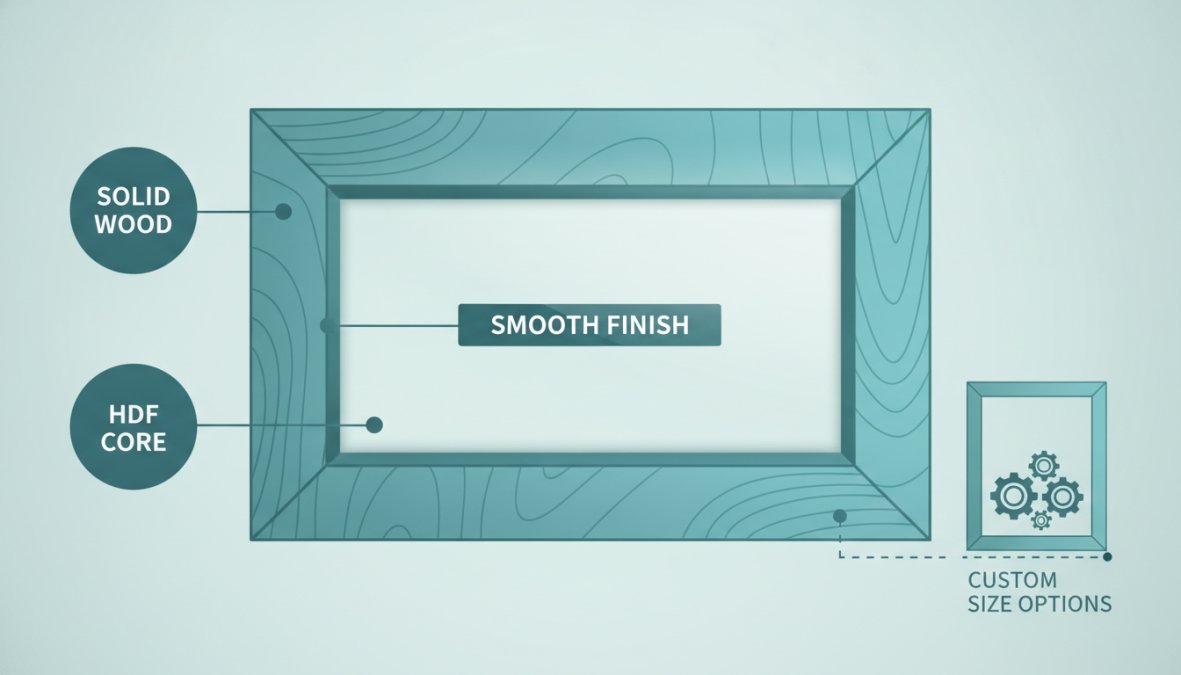
Plywood box construction with solid wood frames and doors is the industry standard for wholesale cabinets. This hybrid approach combines the stability of plywood (which resists warping) with the appearance of solid wood. The face frame and door are solid wood, visible from the front. The box structure is plywood, hidden from view. This design delivers visual quality with structural reliability and reduces material costs without sacrificing visible quality.
Maple is the most common choice for wholesale white shaker cabinets because it's strong, relatively stable, and takes paint finishes beautifully. Maple has a fine, uniform grain that doesn't show through white paint, creating a clean, contemporary appearance.
Sherwin-Williams Paint Colors and Stain Selections
Sherwin-Williams paint finishes have become the standard in wholesale cabinetry because of their durability and color consistency. White isn't monolithic, Sherwin-Williams offers dozens of white and off-white options, each with different undertones. Pure white (SW 7005) is crisp and contemporary. Alabaster (SW 7008) has subtle warm undertones. Snowfall (SW 9181) appears softer and more traditional.
The finish application process affects durability. Quality wholesale cabinets receive multiple coats of paint, with sanding between coats to ensure adhesion. This multi-coat process creates a finish that resists chipping, scratching, and moisture penetration.
Inset and Overlay Cabinet Styles
Inset cabinets have doors and drawer fronts that sit flush within the face frame, creating a seamless appearance. This style delivers a high-end, built-in appearance and is the traditional choice for custom cabinetry. Inset cabinets require precision manufacturing because doors must fit exactly.
Overlay cabinets have doors that sit proud of the face frame, covering the frame edges. This is the modern standard in wholesale cabinetry because it's faster and less expensive to manufacture. Full overlay cabinets have doors that cover the entire cabinet box, creating a contemporary, seamless appearance. Partial overlay cabinets show more frame, creating a traditional look.
At RTA Wholesalers, we offer custom color inset cabinetry available in most any size at wholesale pricing. Our custom options allow you to specify exact dimensions and finishes, ensuring your cabinets fit your space perfectly.
Wholesale Cabinet Shipping Costs and Delivery Timelines
Understanding shipping logistics helps you plan your project timeline and budget accurately.
Factory-Direct Fulfillment and Lead Times
Factory-direct wholesale cabinets ship from the manufacturer to your location, eliminating middleman markups. Standard white shaker cabinets in common sizes typically ship within 2-4 weeks. Custom sizes, colors, or finishes extend lead times to 5-8 weeks.
Assembled cabinets ship slower than RTA because they require more careful packaging. RTA cabinets pack more efficiently, allowing faster processing and shipping. If your project timeline is tight, RTA cabinets offer faster delivery.
Freight shipping is typically calculated by weight and cubic footage. RTA cabinets ship via standard freight carriers. The wholesale advantage becomes clear in shipping: buying directly from the manufacturer means you pay freight only once, from factory to your location.
Long-Term Maintenance and Refinishing Your White Shaker Cabinets
White shaker cabinets are durable, but proper maintenance extends their lifespan.
Cleaning and Preventive Care
Clean white painted cabinets regularly with a soft, damp cloth and mild dish soap. Avoid abrasive scrubbers or harsh chemicals that can damage the finish. Wipe spills immediately, as standing liquid can seep into joints and cause swelling or finish damage.
Humidity control prevents moisture-related damage. Use exhaust fans during and after cooking to remove steam. Wipe down cabinets near the sink regularly to prevent water accumulation. Check hinges and drawer glides periodically, tightening any loose screws before they cause misalignment.
When and How to Refinish
White painted cabinets typically need refinishing every 10-15 years, depending on kitchen usage and maintenance. Signs of wear include chipping paint, visible wood underneath, or a dull appearance.
Refinishing involves cleaning the cabinets thoroughly, sanding the existing finish lightly to improve paint adhesion, filling any gaps or damaged areas, and applying new paint. This is a significant project, expect 2-4 weeks for a full kitchen if done by professionals. DIY refinishing is possible but requires patience, proper ventilation, and quality materials.
Hardware Pairing Guide: Selecting the Right Cabinet Hardware
Cabinet hardware influences both aesthetics and function, and it's one of the easiest elements to change if you want to refresh your space later.
Hardware styles should complement your cabinet style and kitchen design. Shaker cabinets work with traditional cup pulls, contemporary bar handles, or minimalist knob designs. Knobs are ideal for upper cabinets and smaller drawers. Bar handles work better on large drawers where a second grip point improves ergonomics.
Finish options include brushed nickel, oil-rubbed bronze, polished chrome, and matte black. Brushed nickel is the most versatile and pairs well with white shaker cabinets across design styles. Oil-rubbed bronze adds warmth and works well in traditional kitchens. Matte black is increasingly popular in contemporary designs.
Soft-close drawer boxes should pair with soft-close cabinet doors for a unified experience. The slight hydraulic delay feels intentional and luxurious, reducing kitchen noise and extending hardware life.
When you're ready to invest in wholesale white shaker cabinets for sale, you're selecting a partner who understands your project's demands. RTA Wholesalers specializes in ready-to-assemble cabinetry that delivers professional quality without the professional price tag. We offer custom color inset cabinets in most any size, assembled cabinets in multiple wood species and stain colors or unlimited Sherwin Williams paint color choices, and free kitchen design service to ensure your project turns out exactly as you envision. With lead times as short as 5 weeks for assembled options and deep wholesale pricing on every order, you get the quality and speed that contractors and homeowners depend on.
| Cabinet Type | Best For | Assembly Time | Lead Time |
|---|---|---|---|
| RTA White Shaker | Budget-conscious projects, contractors | 45-60 min per box | 2-4 weeks |
| Pre-Assembled Shaker | Quick installation, minimal labor | None required | 4-6 weeks |
| Custom Inset | High-end kitchens, exact sizing | 60-90 min per box | 5-8 weeks |
| Custom Color Options | Unique design requirements | Varies | 6-10 weeks |
Frequently Asked Questions
Are wholesale white shaker cabinets good quality?
Quality depends on construction details. Look for plywood box construction, dovetail drawers, soft-close hinges, and moisture-resistant finishes. Wholesale white shaker cabinets from reputable suppliers offer durable, professional-grade materials at accessible price points. Verify that base and wall cabinets feature full-access design with proper hardware and finish quality before purchasing.
What should I look for in a white shaker cabinet quality checklist?
Check for solid wood or quality maple face frames, plywood box construction, dovetail drawer joinery, soft-close hinges and drawer glides, and moisture-resistant finishes. Examine the recessed center panel for consistent staining or paint application. Verify that inset or overlay options match your design preference. Request samples to assess finish quality before committing to wholesale white shaker cabinets.
How do I measure my kitchen for wholesale cabinets accurately?
Measure the length and height of wall space where cabinets will install. Record dimensions for base cabinets (typically 24 inches deep) and wall cabinets (typically 12-15 inches deep). Note window and door locations, electrical outlets, and appliance placements. Measure corner spaces for full-access cabinetry layouts. Use these measurements to determine the number of base, wall, and specialty cabinets needed for your kitchen remodel.
What is the difference between RTA and pre-assembled wholesale cabinets?
RTA (Ready-to-Assemble) cabinets ship flat-packed and require on-site assembly, reducing shipping costs and lead times. Pre-assembled cabinets arrive fully built but cost more to ship. RTA options are available in multiple wood species and Sherwin-Williams paint colors, offering flexibility and faster delivery. Pre-assembled cabinets provide convenience but longer wait times. Both offer durable construction with soft-close hardware and quality finishes.


