 833-377-8663

Modern Kitchen Cabinet Storage Solutions for 2026

Table of Contents
- Pull-Out Cabinet Organizers That End the Reach-In Struggle
- Drawer Organizers, Inserts, and Vertical Dividers
- Waste Management and Under-Sink Pull-Outs
- Corner Cabinet Storage Solutions That Actually Get Used
- Pantry Organization Systems for Deep and Tall Cabinets
- Custom Kitchen Cabinet Organization for Odd Dimensions
- Retrofitting and Budget-Friendly Upgrades for Existing Cabinets
- Accessibility, Safety, and Material Longevity
- Frequently Asked Questions
Last Updated: September 29, 2026
Pull-Out Cabinet Organizers That End the Reach-In Struggle
The best modern kitchen cabinet storage solutions replace deep, dark reach-in cavities with pull-out hardware that brings contents to you. Pull-out organizers are shelves or racks on full-extension glides that slide forward, so you never crouch or unload front items to reach the back.
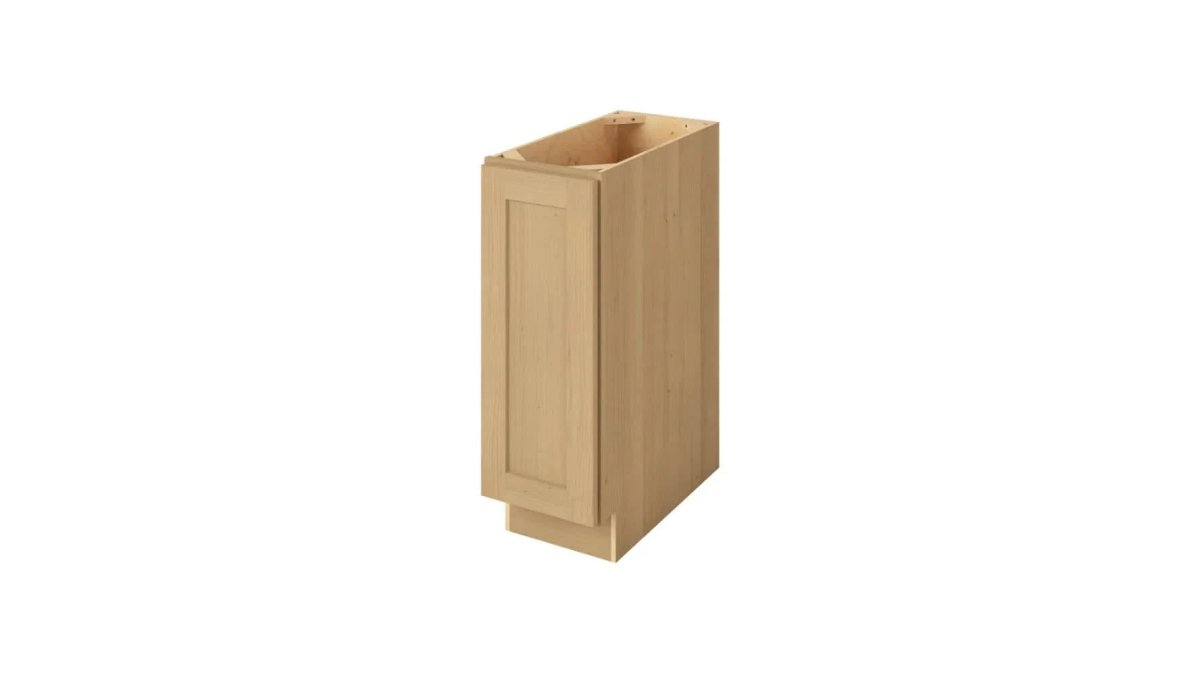
Roll-Out Trays for Base Cabinets
Roll-out trays turn a standard base cabinet into a drawer. A full-extension glide lets the tray clear the cabinet face entirely. Look for two specifications:
- Full-extension glides, not three-quarter extension, which leaves the back third of the tray buried
- Soft-close mechanisms, which stop heavy loads from slamming and wearing out the glide
Spice Racks and Narrow Pull-Outs
Narrow pull-outs are the most underused storage in most kitchens: a 9-inch or 12-inch base cabinet is nearly useless as a reach-in, but makes an ideal spice rack pull-out.
Drawer Organizers, Inserts, and Vertical Dividers
Drawer organizers work on a simple principle: divide the drawer into zones sized to what you actually store there. Inserts sit inside existing drawers; vertical dividers hold trays, cutting boards, and sheet pans on edge.
Match the Divider to the Item, Not the Drawer
Drawer dividers only help if the drawer is deep enough to hold the item upright. A shallow drawer will not stand a sheet pan on edge, no matter what insert you buy. The sequence:
- Empty the drawer and group contents by category
- Measure the tallest item in each group
- Choose dividers that match that item height, not the drawer height
- Leave one zone deliberately empty for overflow
Three Ways to Organize a Drawer, Ranked by Commitment
There are three tiers, depending on whether the cabinet is a keeper or a stopgap.
- No-drill inserts. Bamboo or plastic expandable trays, spring-loaded dividers, and drop-in utensil caddies. Nothing is fastened to the drawer, so they lift out for cleaning and move with you. Best for renters.
- Screw-mounted dividers. Wood or metal dividers fastened to the drawer bottom or sides. They stay put under heavy loads and handle deep drawers that no-drill inserts cannot span. The trade-off is screw holes.
- Full drawer systems. Two-tier and deep drawer organizers with a sliding top tray. These maximize vertical space, but only pay off in drawers at least 8 to 10 inches deep.
Retrofitting Dividers Into Existing Drawers
Before you drill, check three things:
- Drawer bottom thickness. A 1/4-inch plywood or hardboard bottom will not hold screws under load. Add a backer board or use a no-drill insert.
- Drawer box joinery. Dovetail and doweled boxes tolerate fasteners well. Stapled particleboard boxes can split at the screw line, especially near the front where the load is heaviest.
- Glide capacity. A heavy divider system on light-duty glides can overload the slides. If the drawer sags when you pull it, the glides are the limit, not the organizer.
A common pattern is to retrofit the two or three worst drawers first, live with them for a month, then decide whether the rest of the kitchen is worth the same treatment.
Vertical Dividers for Trays, Cutting Boards, and Sheet Pans
Vertical storage is the highest-return upgrade in a wide, shallow drawer, converting a pile into a file. Two rules govern it:
- The drawer must be deep enough for the tallest item to stand upright with clearance for the glide.
- The dividers must be spaced to the item, not evenly. Sheet pans, muffin tins, and cutting boards are all different widths, and even spacing wastes the widest slots on the thinnest items.
Waste Management and Under-Sink Pull-Outs
Waste management pull-outs hide the trash can behind a cabinet door and slide out on demand, freeing floor space. Under-sink pull-outs follow the same logic but must work around plumbing, where most installations go wrong.
Sizing a Trash Pull-Out Before You Order
Three measurements decide whether a trash pull-out fits and functions:
- Cabinet opening width. A 15-inch cabinet typically holds one container; an 18-inch cabinet holds two. Measure the interior opening, not the door width.
- Interior depth. The pull-out frame and container both consume depth. A cabinet shallower than about 22 inches interior will not clear a standard 13-gallon bin on a full-extension glide.
- Height under the counter. A pull-out with a top drawer needs more vertical clearance than a bare bin. Confirm the pull-out frame does not foul the drawer box.
Under-Sink Pull-Outs and the Plumbing Constraint
Under-sink pull-outs are the hardest waste solution to get right because the disposal and P-trap occupy the same space the pull-out needs. The key constraint is depth: a pull-out that hits the disposal or trap will not fully extend.
- Offset the pull-out to one side of the sink cabinet, leaving the plumbing bay open. This is the most reliable layout in a standard 36-inch sink base.
- Use a shallow-depth pull-out that clears the trap but sacrifices container size. Works for a single small bin, not two.
- Relocate the plumbing to gain clearance. This is a plumber's job, not a cabinet job, and only worth it when the sink base is otherwise unusable.
Trash and Recycling in One Cabinet
Separating trash and recycling in one cabinet is the most requested configuration and the one most often mis-sized. Two containers need roughly 18 inches of interior width, plus clearance for the pull-out frame on both sides. If the cabinet is narrower, a single container with a removable inner bin is the more honest solution.
Trash Can Pull Out Base Cabinet →
Retrofitting a Pull-Out Into an Existing Sink Base
If the cabinet box is sound, a waste pull-out can be added without replacing the cabinet. The retrofit works when:
- The cabinet floor is solid and flat, so the glide mounts have something to bite into.
- The interior width matches a standard pull-out frame size. Non-standard widths usually mean a custom frame.
- The door can be rehung on the pull-out hardware. Some doors are too thin or warped to carry the load.
Corner Cabinet Storage Solutions That Actually Get Used
Corner cabinet storage solutions fail for one reason: the back of the corner is unreachable. The fix is to change how the corner opens, not add more shelves.
Lazy Susans and Diagonal Wall Cabinets
A Lazy Susan rotates contents to the front so nothing gets stranded. They work best in upper corner cabinets where you store lighter items.
Blind Corner Base Cabinets
Blind corner base cabinets are the hardest storage in any kitchen: one door serves a space extending past the opening, so a full third of the cabinet is effectively blind.
Pantry Organization Systems for Deep and Tall Cabinets
Pantry organization systems work by dividing height and depth into reachable zones. A tall pantry fails when everything above eye level becomes a graveyard and everything below knee level becomes a crawl.
Custom Kitchen Cabinet Organization for Odd Dimensions
Custom kitchen cabinet organization exists because real kitchens are not built to standard dimensions. A 37-inch gap, an angled wall, or a soffit that drops lower on one side will break a stock layout every time.
| Storage Problem | Solution | Where It Works Best |
|---|---|---|
| Deep base cabinet | Roll-out trays | Cookware, small appliances |
| Narrow 9-12 inch base | Spice rack pull-out | Spices, oils, vinegars |
| Blind corner | Pulled-out blind corner cabinet | Bulk pots, rarely used items |
| Upper corner | Lazy Susan or diagonal wall cabinet | Everyday dishes, glassware |
| Deep pantry | Adjustable shelving | Bulk goods, backup stock |
| Under sink | Pull-out waste system | Trash, recycling, liners |
Retrofitting and Budget-Friendly Upgrades for Existing Cabinets
Retrofitting existing cabinets is often cheaper than replacing them. You can add pull-out hardware to a sound cabinet box without touching the doors.
Three upgrades that deliver the most improvement per dollar:
- Roll-out trays in the deepest base cabinets, where reach-in access is worst
- Vertical dividers in wide drawers, which cost very little and stop the pile-up problem
- A Lazy Susan in an upper corner, which turns dead space into usable rotation
Accessibility, Safety, and Material Longevity
Accessibility and material longevity decide whether a storage upgrade still works in ten years.
Frequently Asked Questions
What are the best modern storage solutions for kitchen cabinets?
The highest-impact additions are pull-out cabinet organizers in base cabinets, vertical dividers for trays and cutting boards, and dedicated waste pull-outs. For corners, blind corner base cabinets and diagonal wall cabinets reclaim space that standard shelves waste. Pantry cabinets with adjustable shelves handle bulk items. Prioritize the zones you use daily: prep area, cooking zone, and cleanup zone. Storage that matches your workflow beats storage that just adds capacity.
How can I maximize storage in small kitchen cabinets?
Start with the vertical dimension. Add a second or third shelf inside tall cabinets, use door-mounted racks for lids and wraps, and swap stacked pots for a pull-out that brings the back row forward. Narrow pull-out spice racks fit 9-inch to 12-inch gaps that would otherwise hold nothing useful. Vertical dividers turn a single wide shelf into slots for sheet pans and cutting boards. Every inch of cabinet depth should hold something you can reach without moving three other items.
Are pull-out cabinet organizers worth the investment?
They pay off in daily use, not resale alone. Full-extension glides let you see and reach everything in a deep base cabinet, which cuts the bending and digging that leads to forgotten items and duplicate purchases. If you are remodeling anyway, choosing base cabinets with pull-outs built in costs less than adding them later.
How do I choose the right cabinet storage for my kitchen layout?
Map your kitchen into zones first: prep, cooking, cleanup, and storage. Base cabinets near the range get pull-out trays for pots and pans. The sink base gets a waste pull-out or under-sink organizer. Corners get blind corner cabinets or diagonal wall cabinets, never open dead space. Tall walls get pantry cabinets with adjustable shelves. Then measure your actual cabinet openings before ordering, and use a free design service to catch dimension errors before you commit.


