If you are comparing inset cabinets vs overlay, you are already past the surface-level style stage. This choice affects cabinet pricing, clearances, installation tolerance, long-term appearance, and how finished your kitchen feels when every door and drawer is in place.
For contractors, designers, and homeowners, the right answer is not just about looks. It comes down to budget, project timeline, cabinet construction, and how exact you want the final reveal lines to be. Both styles can work beautifully in a shaker kitchen, a transitional remodel, or a more custom-looking new build. The difference is how they get there.
Inset cabinets vs overlay: the core difference
Inset cabinets have doors and drawer fronts that sit inside the cabinet face frame opening. When closed, the front is set flush within the frame, which creates a tailored, furniture-style look. You see the frame around each opening, and the gaps between the door and frame need to stay consistent to look right.
Overlay cabinets place the doors and drawer fronts over the face frame. That means the front covers part of the frame rather than fitting inside it. In a 1-1/4-inch overlay cabinet, the doors and drawers overlap the frame by that amount, leaving a smaller portion of the frame visible.
This sounds like a small construction detail, but it changes almost everything. Inset tends to look more custom and more exact. Overlay tends to be more forgiving, more efficient, and often more budget-friendly.
Style and visual impact
Inset cabinets have a crisp, refined appearance that buyers often associate with high-end millwork. The door sits neatly within the frame, and the reveal lines become a design feature. This works especially well in kitchens where symmetry matters, such as layouts with stacked wall cabinets, decorative end panels, or a furniture-inspired island.
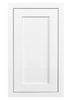
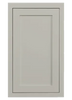
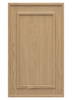
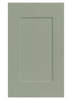
Inset also pairs well with shaker styling because the simplicity of the door profile does not compete with the precision of the frame. In painted finishes like snow white, vintage white, sage, or blue, inset can read clean and upscale without feeling ornate.
Overlay cabinets offer a fuller door-front look. Because the doors cover more of the frame, the cabinet face appears less segmented. Many buyers prefer this because it feels slightly simpler and more versatile across modern farmhouse, transitional, and classic kitchen designs.
If your goal is a polished kitchen with strong visual value, either style can get there. Inset usually gives you a more custom cabinet appearance. Overlay usually gives you a broader style range with fewer layout restrictions.
Cost differences that matter on real projects
In most cases, inset cabinets cost more than overlay cabinets. That price difference is not arbitrary. Inset construction requires tighter manufacturing tolerances because the doors and drawers have to fit precisely inside each opening. Even small variations are more noticeable.
Installation can also take more time with inset. If walls are out of square or floors are uneven, the installer has less room to hide irregularities. Door alignment matters more, reveal consistency matters more, and adjustments are more exact.
Overlay cabinets are typically the better choice when budget control is a top priority. They still deliver a strong finished look, especially in quality cabinet lines with solid wood fronts and plywood boxes, but they are generally easier to produce and install efficiently.
For a large kitchen, the cost gap between inset and overlay can become significant. That is why many remodelers reserve inset for projects where the style itself is a selling point, while overlay remains the practical choice for value-driven renovations and investment properties.
Installation and fit tolerance
This is where trade professionals usually separate preference from project reality.
Inset cabinets demand precision. The cabinet box, face frame, door sizing, hinge adjustment, and jobsite leveling all need to work together. If the kitchen has uneven conditions, inset can still be installed successfully, but it requires more care. The finished product rewards that effort with a tight, intentional look.
Overlay cabinets are more forgiving during installation. Because the doors cover the frame, minor inconsistencies are less visible. That can reduce install time and lower the risk of visual issues after the kitchen settles.
For contractors managing schedule pressure, overlay often makes the workflow easier. For designers and homeowners chasing a very specific custom appearance, inset may justify the extra effort.
Storage and usable opening space
Inset cabinets can slightly reduce usable access at the cabinet opening because the door and drawer front sit within the frame. The frame remains more pronounced, and that can affect how wide the opening feels, especially on smaller cabinets.
Overlay cabinets generally allow a more accessible front opening experience because the doors sit over the frame rather than inside it. In everyday use, that can make a base cabinet or pantry feel easier to load and unload.
This is not usually the deciding factor in a full kitchen design, but it matters in tight layouts, compact kitchens, and utility-driven spaces. If function comes first and every inch counts, overlay has an advantage.
Durability and day-to-day use
Both inset and overlay cabinets can perform well if the cabinet line is built with quality materials and hardware. Solid birch doors, plywood cabinet boxes, and dependable hinges matter more to long-term durability than the style category alone.
That said, inset cabinets rely more on consistent alignment over time. Because the reveal lines are visible, any shift in hinge adjustment can stand out sooner. Seasonal movement in natural materials is also more noticeable when tolerances are tight.
Overlay cabinets tend to hide minor alignment changes better. That makes them a practical fit for busy households, rental properties, or projects where low-maintenance performance matters as much as style.
Which cabinet style works best for your kitchen?
The answer depends on what you need the kitchen to do.
If you want a premium, furniture-style look and are willing to invest more for precision, inset is often the better fit. It makes sense in design-led remodels, custom-inspired kitchens, and projects where details like reveal lines, symmetry, and finish presentation matter.
If you want a strong mix of price, appearance, and installation efficiency, overlay is usually the smarter buy. It works especially well for full kitchen replacements, builder projects, and remodels where budget has to stretch across cabinetry, countertops, flooring, and appliances.
There is also a middle ground in how buyers shop. Some want the look of a custom kitchen without fully custom pricing. That is where well-built RTA cabinet lines in inset and 1-1/4-inch overlay styles can make a lot of sense. You get a defined aesthetic direction, practical cabinet sizing, and more control over project cost.
Inset cabinets vs overlay for different buyer types
For homeowners, the choice usually starts with appearance and ends with budget. If you love a flush, tailored cabinet face and you are building a kitchen meant to feel elevated for years, inset is worth serious consideration. If you want dependable style with better cost efficiency, overlay is often the better value.
For interior designers, inset can be a strong specification when the kitchen design needs visual discipline and a custom look. Overlay gives more flexibility when balancing finish selection, timeline, and client spend.
For contractors and builders, overlay often wins on installation efficiency and cost control. Inset is still a viable option, but it is best specified with a clear understanding of labor expectations and site conditions.
How to make the right call before you order
Sample doors can help more than online photos. Inset and overlay do not just look different in theory. They reflect light differently, cast different shadow lines, and change how a painted finish reads across a full kitchen.
It also helps to review the layout before finalizing cabinet style. A free 3D kitchen design can reveal whether your project benefits more from the visual precision of inset or the practical flexibility of overlay. That is especially useful when you are choosing cabinet sizes, balancing appliance placement, or mixing stock and custom options.
If your project needs custom colors, custom sizes, or a specific shaker finish, style selection should happen alongside those decisions, not after. Cabinet construction, lead time, and design intent all work together.
RTA Wholesalers serves buyers on both sides of this decision with inset and 1-1/4-inch overlay cabinet options, sample doors, and design support that helps narrow the choice before you commit to a full order.
The best cabinet style is the one that fits the job, not just the mood board. If you want precision and presence, inset earns its place. If you want value, speed, and a polished result, overlay is hard to beat. Start with the way the kitchen needs to perform, and the right style usually becomes clear.